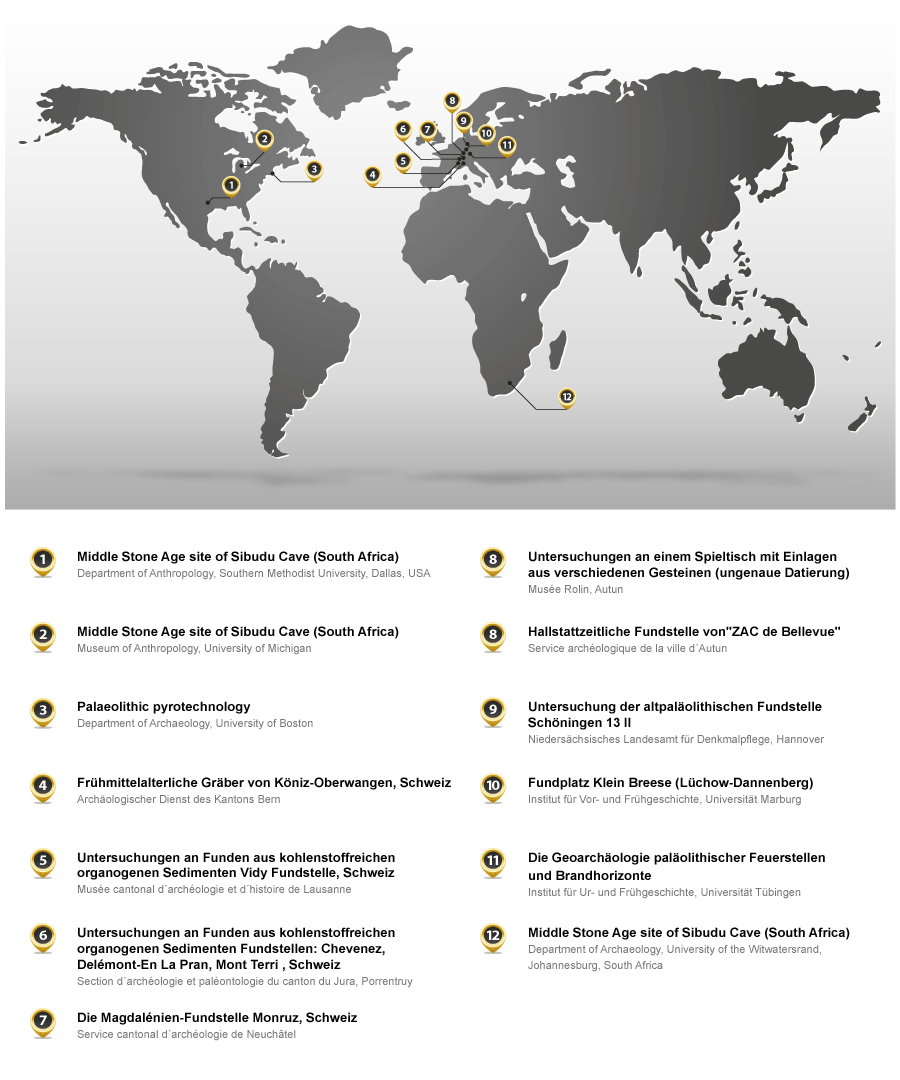
Archeology: Organic Petrology Breaking New Grounds
In the area of archeology specific questions appear frequently. Therefore Dr. Bertrand Ligouis at the University of Tübingen is the contact person answering questions about organic petrology or other carbonaceous artefacts.
For example archeological findings of high-carbon organogenic sediments are examined and their raw material including its geological and geographical origin is analyzed by different methods. We carry out both, examinations of fireplaces and fire horizons from archeological sites and information about the combustion process regarding temperature, humidity, oxygen feed and incomplete combustion, as well as studies of bone fragments with respect to their use as index of fire places. Identification and quantification of organic micro residuals (charcoal, plant fragments, fossil fuels, combustion residue) complete the offered methods.
Consulting
- Organic petrology
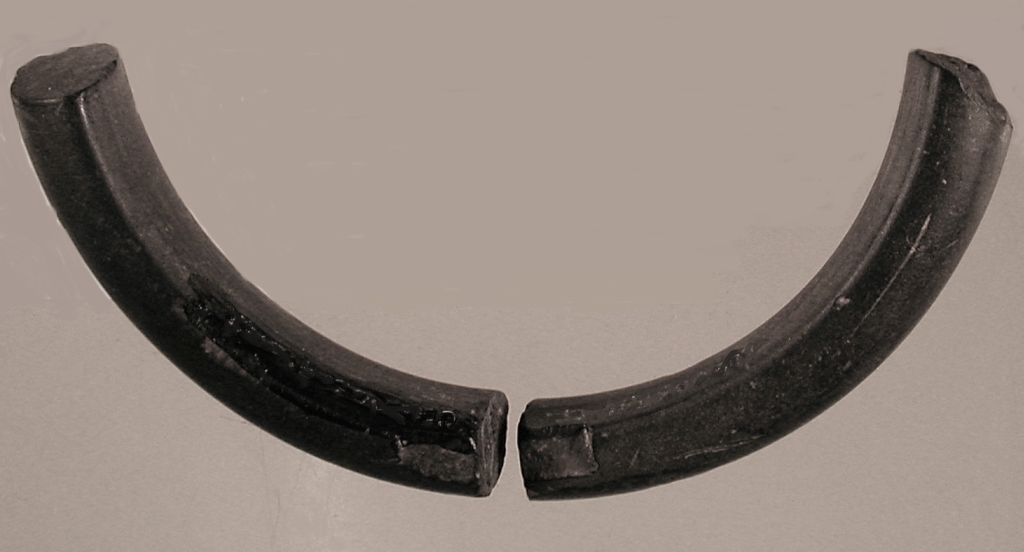
- Study of archeological findings like bracelets, figurines, pearls, pendants composed of carbonaceous organic sediment (Bronze Age, glacial period,…)
- Identification of the raw material (jet, cannel-coal, boghead-coal, oil shale, sapropelite, lignite)
- Study of the geological and geographical origin
- Organic-petrological examination of fireplaces and fire horizons from archeological sites
- Identification and quantification of organic micro residuals: huminitic plant fragments, charcoal, fossil
combustibles, combustion residues
- Characterization of the combustion process: temperature, humidity, oxygen feed, incomplete combustion
- Study of bone micro fragments regarding its use as indicator of fireplaces
- Birch tar identification
- Ivory identification
Research
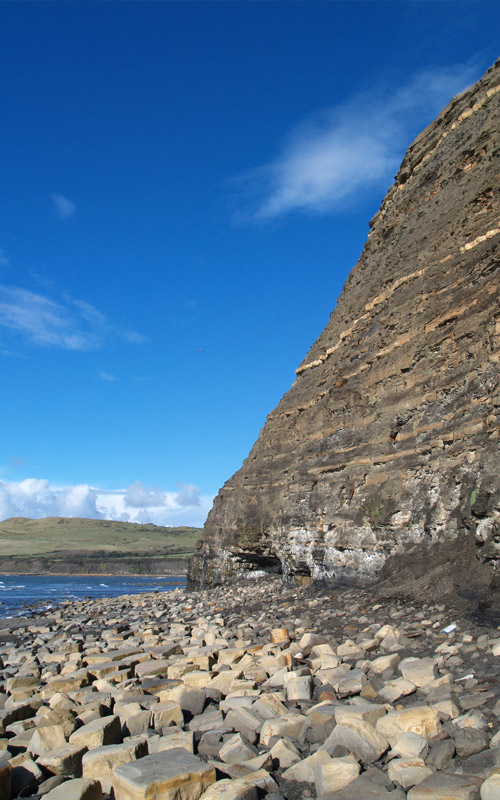
- Facies correlation of archeological findings to oil shale layers of the Kimmeridge Clay at the English south coast
- The "Venus vom Hohle Fels": The Birth of Art
- Characterization of plant tissue of fireplace sediment with the methods of organic petrology
- Organic-petrological investigations of splinter of shell limestone and shards of travertine debris from Bilzingsleben
- Organic-petrological investigations of coffin residuals of early medieval graves from Köniz-Oberwangen
- Coal petrographic investigations of findings of carbonaceous organic sediment from the Heuneburg-Außensiedlung at Hundersingen an der Donau
- Contribution of organic petrology to the studies of the trade relationships in the Celtic Europe by the investigation of bracelets of oil shale
Methods
- Geochemical rapid analyses: Performance of rapid analyses (e.g. sulfur, iron, titanium, zircon) using XRF and SEM on individual samples up to the modeling of element distribution across entire deposits.
- Geological mapping and sampling: Field-based geological surveying and creation of geological maps of individual structures, including the representation of the spatial arrangement of entire seams and the distribution of their raw-material quality properties.
- Core logging: Precise documentation and analysis of drill cores to obtain comprehensive geological information about the subsurface.
- Sieve analysis: Sieving of soils and sediments and preparation of sieve fractions, also as preparation for further microscopic investigations (heavy mineral analysis, sediment petrography).
- GIS-supported services: Mobile acquisition of geodata, digitization of historical base data, data validation and homogenization, integration into modern database systems, efficient management and analysis of 2D and 3D GIS data.
- Geological 3D modeling: Development of complex geological 3D models and profile sections to visualize spatial relationships of stratigraphic sequences, structures, mineralogical distributions, and volume calculations as a basis for decision-making depending on the application.
Projects
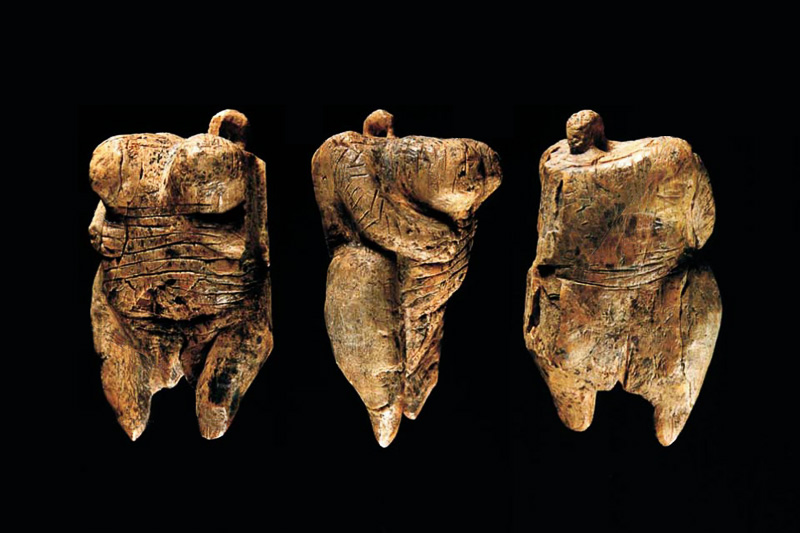
Archeology: The "Venus vom Hohle Fels"
Like other ivory figures from Hohle Fels the Venus belongs to the time of the lower Aurignacian (ca. 35000 years before present).
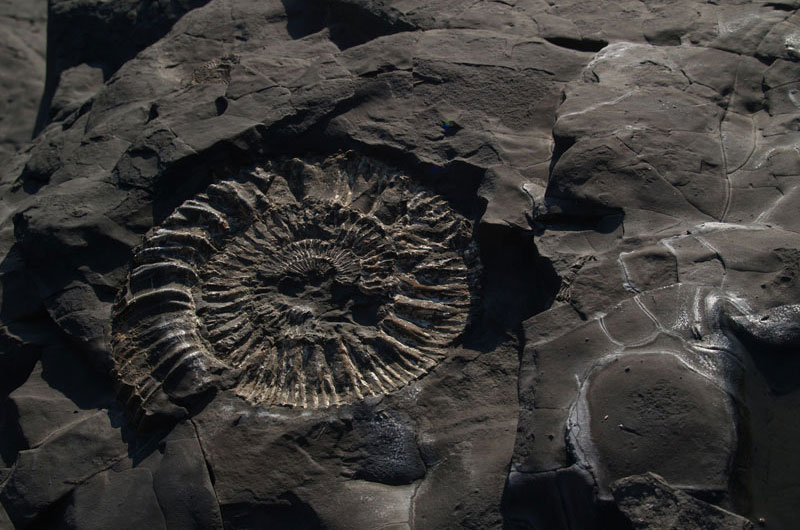
Archeology: Faciel correlation of archeological findings to the oil shale layers of the Kimmeridge Clay at the south coast of England
Archeological findings of armlets and other objects in the western Switzerland produced questions to the origin of the artifacts and the trade relationships in the Late Bronze and Early Iron Age.
Ansprechpartner
Dr. Bertrand Ligouis
Dr. en Sciences de la Terre
Tel.: +49 (0) 7071 297 4688
Fax: +49 (0) 7071 29 57 27